How Autonomous Cleaning Robots Reshape Campus Facility Management
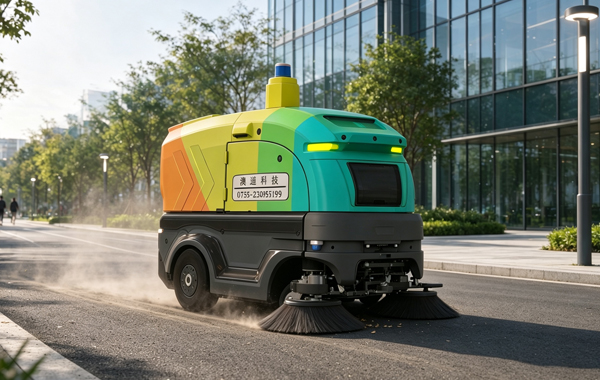
Upgrading cleaning management is not just a new machine — it is a systemic shift in both operations and management logic.
Three Pain Points of Traditional Campus Cleaning
First is labor scarcity and rising costs. Large campuses with scattered cleaning points require significant manpower, while recruitment and retention pressures grow each year. Second is inconsistent quality — results depend heavily on individual effort, and peak hours affect standards.
Third is the lack of management visibility. Managers cannot easily tell whether cleaning was completed or whether resources are well allocated; issues are often spotted only after complaints, with little data for prevention.
From Manual Supervision to Round-the-Clock Autonomous Work
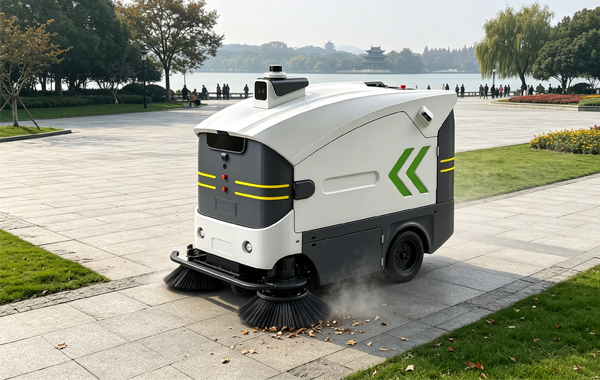
Autonomous cleaning robots follow preset routes and schedules with consistency, covering nights and early mornings that are hard to staff, greatly improving continuity and timeliness. Multi-sensor fusion and intelligent obstacle avoidance let them operate safely among people and vehicles with minimal disruption.
For campus operators, this frees limited labor from repetitive sweeping toward inspection, emergency response and higher-value services, optimizing the workforce structure.
Refined Management: Making Every Operation Measurable
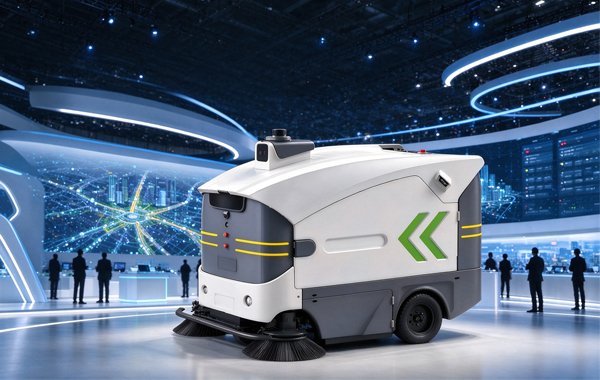
With the AI cloud platform, managers can view operation paths, cleaned area, runtime and alerts in one dashboard, making cleaning visual, traceable and accountable. Decisions are increasingly driven by data rather than intuition.
When multiple units work together, the platform schedules them centrally and allocates zones automatically, avoiding overlap and missed spots for greater efficiency.
Implementation Advice: Start with a Site Assessment
Before introducing robots, evaluate floor materials, road widths, traffic patterns and obstacle distribution, then match the right model and strategy. Choosing a partner with local service and adaptation capabilities is key to long-term stable operation.
Amid the smart campus wave, autonomous cleaning robots are becoming a key lever for improving operational quality and efficiency, ushering campus cleaning into a new automated, refined era.