Large Parks Adopt Autonomous Sweepers to Enhance Visitor Experience
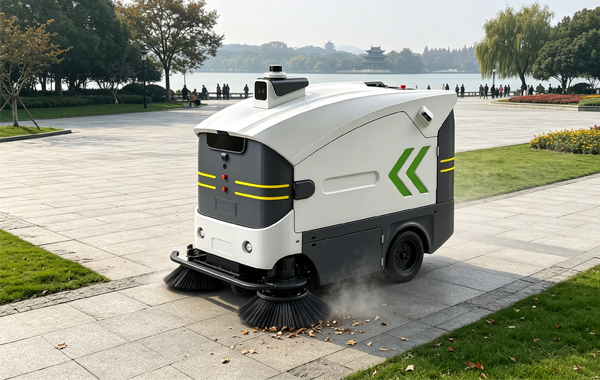
Let cleaning blend into the landscape, leaving a better experience for every visitor.
The Unique Challenges of Scenic-Area Cleaning
Unlike enclosed campuses, visitor flows in parks fluctuate sharply, surging on weekends and holidays. Litter accumulates quickly and scatters across pathways, plazas and lawn edges. Traditional manual cleaning requires constant patrols yet still struggles with full coverage and timeliness.
Meanwhile, scenic areas demand a quality visitor experience: cleaning noise and vehicle movement should be kept to a minimum, placing finer requirements on equipment.
Quiet and Efficient: Cleaning in Harmony with Visitors
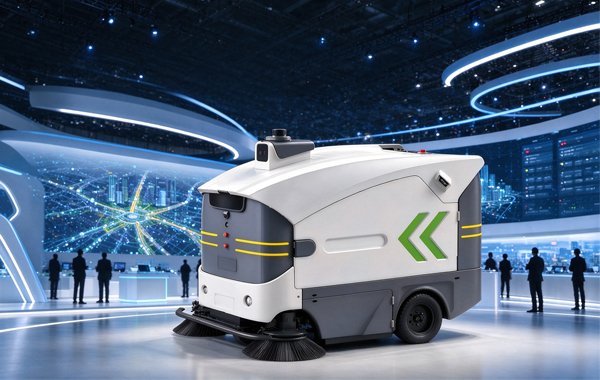
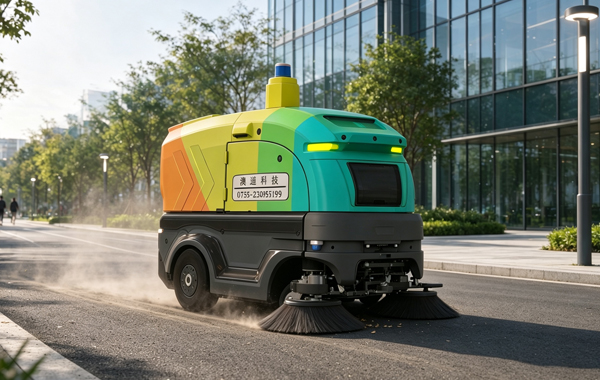
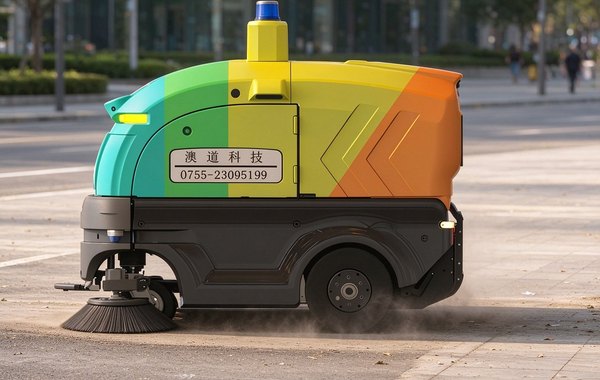
Odaoo sweepers feature low-noise design, cleaning pathways and plazas while visitors continue to explore. Sensing systems detect pedestrians and obstacles, prompting active avoidance that keeps cleaning from conflicting with visitor routes.
During early mornings and nights when crowds thin, the robots increase cleaning frequency for concentrated sweeping and waste collection, laying a cleaner foundation for daytime peaks.
A New Highlight of Smart Scenic Development
Beyond cleaning itself, the high-tech presence of autonomous sweepers has become part of a scenic area's smart image. Neat, automated operations signal refined management to visitors, complementing smart guiding and security systems in a complete intelligent experience.
Managers can monitor coverage and device status through the cloud platform, integrating cleaning into the site's unified digital management system for greater efficiency.
The Future of Public-Space Maintenance
As tourism venues raise quality expectations, autonomous, low-disruption and measurable cleaning is becoming the trend. Odaoo will keep improving equipment adaptability in complex open environments, delivering smart cleaning for more parks, scenic areas and waterfront spaces.
The use of autonomous sweepers in parks shows that smart cleaning is not only about efficiency, but an upgrade in the quality of public-space services.